
The economics of Hong Kong and Chinese mainland are, in fact, pretty much different in this field. China operates as a socialist market economy, which is characterized by state-owned enterprises and public ownership within a market economy. On the other side, because of its low taxation and free markets, Hong Kong’s economy is considered as one of the most liberal.
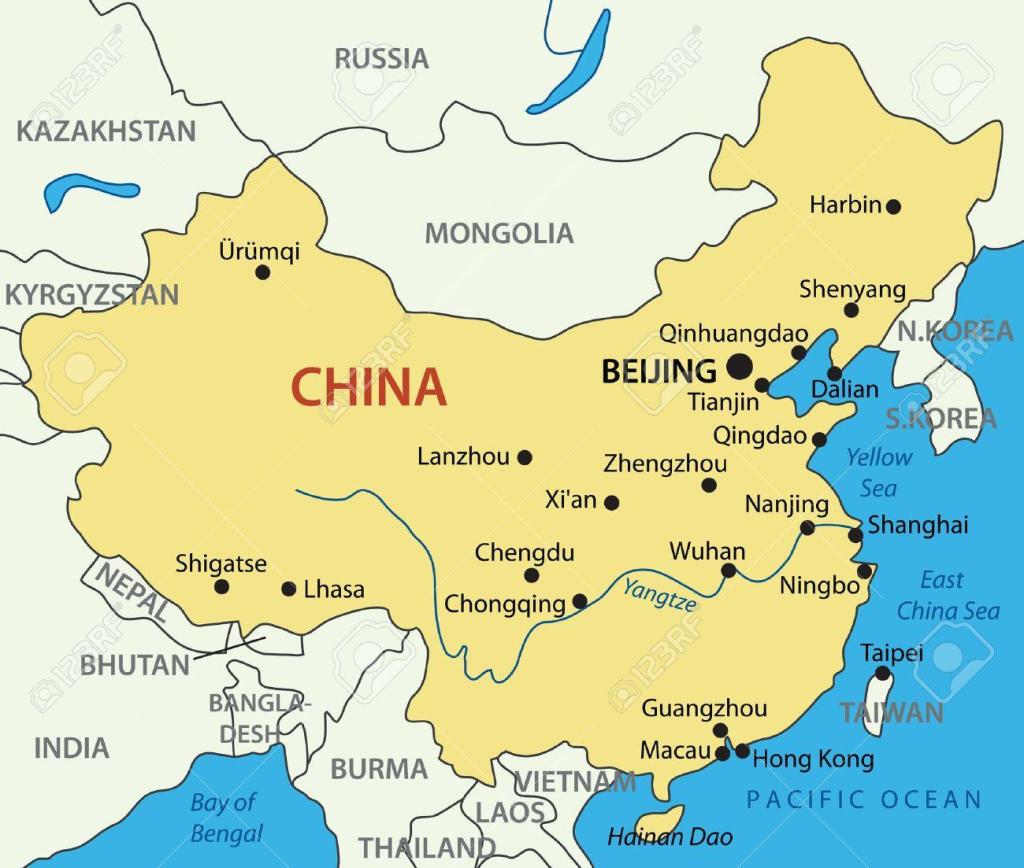
It is no surprise that, nowadays, China is the biggest producer of the majority of industrial products and the world’s largest exporter. Over the last two decades, China has become the supplier for many others countries and its ascension, most probably, will not get to an end in the near future.
At the present time, Hong Kong and Chinese mainland are in the framework of “one country, two systems”. In conformity with this approach the Central People’s Government is responsible for foreign policy and for the defense of territory of Hong Kong. Even if Hong Kong has all the power over of legislative self-control, taxes, monetary system and duties, Chinese mainland plays an important role in numerous integrative processes between it and Hong Kong. Up to this day, the signing of CEPA parties in 2003 was the most momentous attainment in this area. It quickly became the main instrument of intensification of the integration process between Hong Kong and Chinese mainland.
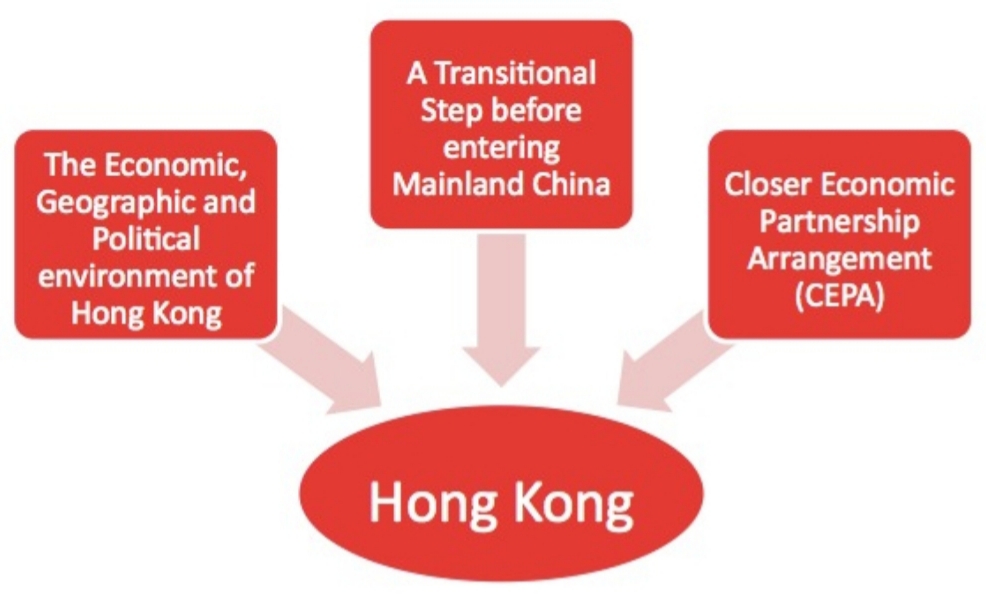
The costs of good imports from Hong Kong to the mainland is reduced by the CEPA’s policy which consist in applying zero tariffs. In this way, the competitiveness of these products is enhanced and the growth of exports of Hong Kong to the mainland is stimulated.
As well, CEPA contributes to the process of the production division between Hong Kong and mainland China. With the support of the CEPA , the high-tech industries in Hong Kong will have a faster development and in the meantime, China will use its advantage in labor-intensive production, mostly in those that are subject to market changes. For instance, if some enterprises of mainland China will transfer parts of its manufacturing to Hong Kong, they could avoid the policy of discrimination and safeguard of the West against Chinese goods.
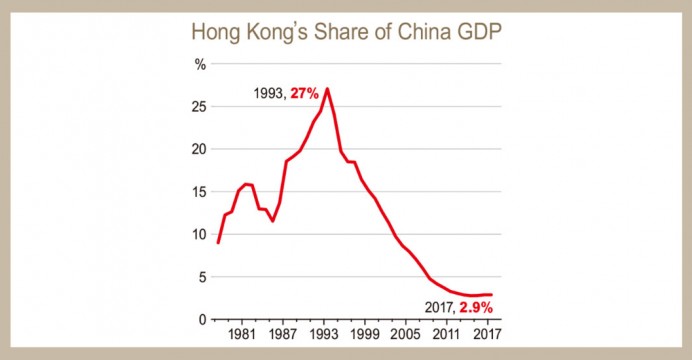
With no doubt, both sides can merge their advantages, so that Hong Kong should provide high-quality services for the manufacturing area in mainland China, thus enhancing the overall competitiveness of the Chinese economy.
 The Economic Journal